
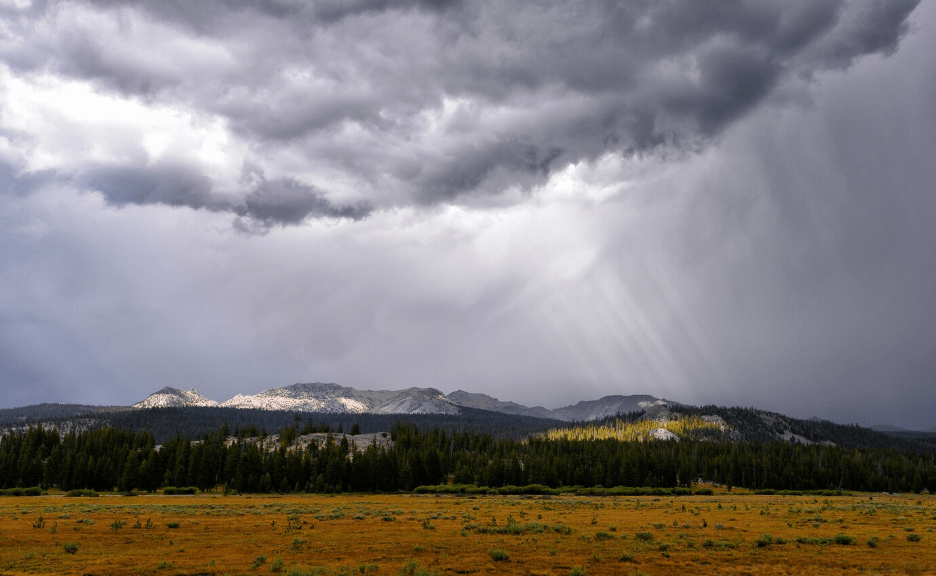
Weather used to be a small talk filler, a conversation starter on awkward elevator rides. But lately, it’s been more like a headline-maker—unpredictable, intense, and deeply tied to decisions that impact billions of dollars. With climate patterns shifting and global instability on the rise, businesses are leaning harder than ever on accurate forecasts. At the heart of this new reality is a quiet tug-of-war between AI-generated predictions and the age-old intuition of seasoned meteorologists, and the ripple effects are reaching into boardrooms in ways we haven’t seen before.
A New Kind of Weather Whisperer
In the last few years, artificial intelligence has quietly carved out a place in the weather prediction game, and it’s not just playing sidekick. By digesting petabytes of satellite data, historical patterns, and real-time observations, AI models are able to produce ultra-detailed, hyperlocal forecasts in minutes. While traditional meteorology might rely on a mix of physics-based modeling and human interpretation, AI tools bypass some of that process with pure pattern recognition and speed. The result? A forecast that might update every 15 minutes instead of every six hours—an edge that matters when you’re running a supply chain or planning air travel. But even with that speed, it’s not always about accuracy—it’s about what kind of accuracy matters.
Intuition Still Has a Place at the Table
What machine learning still can’t do is “feel” a storm coming. Human meteorologists can read between the radar lines, pull from decades of lived experience, and sometimes call a shift that the models completely miss. This gut-check style of forecasting doesn’t always show up in the data, but it often proves right when things get dicey. Think of hurricanes that wobble unexpectedly or sudden snow squalls that AI didn’t clock—humans still carry the instinct to question the models. That doesn’t make AI forecasts wrong; it just means they’re incomplete without context. In an industry where timing is everything, having both instincts and algorithms side by side is turning out to be the winning formula.
Smart AI Tools to Break Down Complex Weather Information
When you’re running a business where timing makes or breaks the bottom line, having the right tool to decode the weather can be a game changer. AI-powered platforms, like a chat PDF for data analysis, make it easier to break down complex reports—turning climate research, emergency response plans, or weather briefings into digestible summaries in seconds. This kind of tech helps decision-makers act with speed and clarity, which is crucial in industries where a storm or heatwave could derail an entire week’s operations. Whether you’re rerouting trucks, adjusting irrigation plans, or rescheduling outdoor events, these tools create a faster path from information to action.
Faster Isn’t Always Smarter
That said, faster forecasts can sometimes create a false sense of precision. AI models are only as good as the data they’ve been fed, and with climate change scrambling the historical record, that data is getting murkier. When temperatures hit unprecedented highs or floods show up in places that weren’t on anyone’s radar, AI systems can falter. Businesses that rely solely on these tools without human oversight may find themselves blindsided. It’s a reminder that while AI can enhance decision-making, it doesn’t replace judgment. That blend—speed from AI, nuance from humans—is where the real power lies.
Climate Change Is Scrambling the Script
What makes this all even trickier is that climate change is rewriting the rules of the atmosphere. Historical models are less reliable, seasons are shifting, and extreme weather is becoming the norm, not the exception. That chaos means both AI and human forecasters are having to constantly adapt. AI has the advantage of learning fast—it can spot emerging patterns across continents in real time. But humans are better at framing the “why” and questioning when the models start to misbehave. Businesses navigating this terrain need both storytellers and statisticians to make sense of the swirling data storm.
From Forecast to Foresight
The next frontier isn’t just knowing what the weather will do—it’s knowing what you should do about it. Predictive models are increasingly being baked into decision systems. Say you’re a global shipping company: your dashboard might not just show tomorrow’s rain chances—it might re-route your entire fleet to avoid a low-pressure system five days out. That kind of foresight used to be speculative; now it’s becoming standard operating procedure. AI is leading the charge here, building decision trees from cloud formations. But the companies seeing the biggest wins are those using human oversight to ask: “Does this still make sense?”
The Ethical Weather Horizon
One under-discussed angle in all this is fairness. As AI-driven forecasts become more common, there’s a risk that access gets tiered—better forecasts for those who can pay, less accurate ones for everyone else. In developing regions, where weather extremes can mean life or death, this kind of inequality could be devastating. Human meteorologists often work with public agencies to prioritize safety and accessibility. AI, left unchecked, could skew that mission toward profit. So, while the tech evolves, we need to ask who it’s serving—and who might be left out in the rain.
The future of weather forecasting isn’t a showdown between humans and machines—it’s a partnership. AI brings speed, scale, and adaptability, but it needs human interpretation to make those insights actionable and grounded. Businesses are recognizing that it’s not about picking one over the other, but about layering intelligence in a way that leads to smarter, faster, and more ethical decisions. As climate change keeps turning up the pressure, those who can fuse AI’s horsepower with human intuition will be the ones steering ahead—not just reacting to the next storm.
 Weather Made Fun and Exciting!
Leave a comment